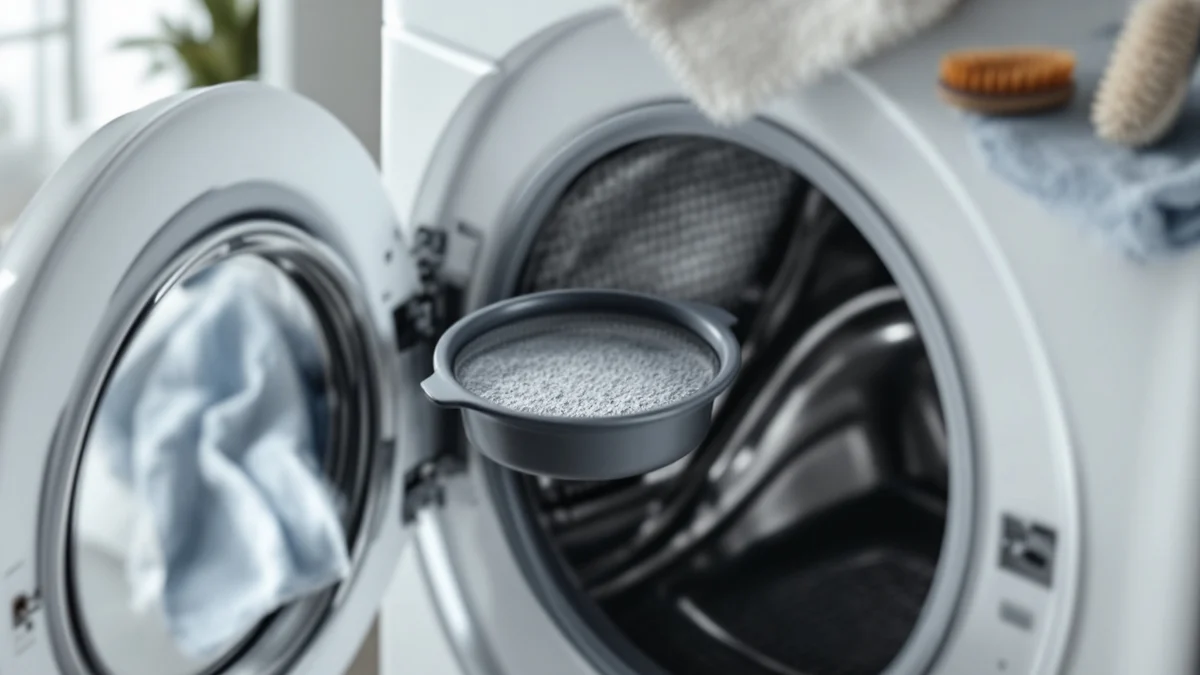
To clean a dryer, roll the lint off the screen after every load and scrub the screen with hot water, liquid detergent and a nylon brush about every 6 months (Whirlpool). Then unplug the dryer and wipe the drum and the moisture sensor bars with warm water and a little mild dish soap, rinse, and tumble clean towels to dry it (Whirlpool; Samsung).
The lint matters most. Failure to clean was the leading factor in residential dryer fires, behind 34 percent of them (U.S. Fire Administration).
Key takeaways
- Clean the lint screen before or after every load, and never run the dryer without it.
- Scrub the screen with hot water, liquid detergent and a nylon brush about every 6 months, or once a month if you use dryer sheets.
- Unplug the dryer, and close the gas valve on a gas model, before you wipe the drum with warm, soapy water.
- Wipe ink off the drum with rubbing alcohol, then leave the door open for an hour before you run it.
- Have the vent cleaned once a year, or at least every 2 years, and sooner if loads start taking longer to dry.
How often should you clean each part of a dryer?
The lint screen needs attention every load; everything else runs on a schedule of months or on signs like residue, smells and slow drying. The schedule below combines the appliance makers' care pages with fire-safety and ENERGY STAR guidance (Whirlpool; Maytag; ENERGY STAR; NFPA).
| Part | How often | How |
|---|---|---|
| Lint screen | Before or after every load | Roll the lint off with your fingers |
| Lint screen, washed | About every 6 months; monthly with dryer sheets | Hot water, liquid detergent, nylon brush |
| Lint trap slot | About every 6 months | Vacuum crevice tool or long brush |
| Drum | Every few months, or at the first residue or musty smell | Warm water and mild dish soap |
| Moisture sensor bars | When sensor cycles end too soon | Soft cloth and mild soap |
| Vent and duct | Once a year to every 2 years | Brush and vacuum, or a pro |
The makers differ on the vent: NFPA says once a year, Whirlpool says at least every 2 years, and Samsung says once or twice a year. Once a year is the safer choice.
How do you clean a dryer lint trap?
Pull the screen out, roll the lint off with your fingers, and push it back in; don't use water for this everyday clean, because wet lint is harder to remove (Whirlpool). The screen sits inside the door at the front of the drum or on top of the dryer in front of the controls (Whirlpool).
For the deeper clean of the screen and the slot it slides into (Whirlpool):
- Vacuum the slot. Run a vacuum crevice tool or a long dryer brush down the opening to pull out lint that got past the screen.
- Check the mesh. Hold the screen up to the light. Lint stuck to patches of the mesh, or a dull film, means detergent and softener residue.
- Scrub both sides. Wet a nylon brush with hot water and liquid detergent and scrub the whole screen.
- Rinse and repeat. Rinse with hot water, check again, and scrub once more if residue is left.
- Dry it fully before it goes back in the dryer.
How often should I clean my lint trap?
Clear it before or after every cycle (U.S. Fire Administration). Wash it at least every 6 months, or more often if it clogs (U.S. Fire Administration). If you use dryer sheets, ENERGY STAR says to scrub the filter with a toothbrush once a month, because the sheets leave a film that reduces air flow and can strain the motor over time. Our comparison of fabric softener, dryer sheets and dryer balls covers the alternatives.
Never run the dryer with the screen out, or with one that is loose, damaged or clogged (U.S. Fire Administration). A broken screen gets replaced, not patched (Samsung).
How do you clean the inside of a dryer drum?
Unplug the dryer, wipe the drum with a soft cloth dipped in warm water and a little dish soap, rinse it with a wet sponge, and tumble a load of clean towels to dry it (Whirlpool). Step by step:
- Cut the power. Unplug an electric dryer. On a gas dryer, also close the shut-off valve on the gas line (Whirlpool).
- Vacuum out debris from the drum and around the door seal with a brush attachment (Whirlpool).
- Wash the drum. Mix a mild hand dish detergent at a low concentration in very warm water and rub the drum with a soft cloth. Let the solution sit for a few minutes on tough spots before you scrub (Whirlpool).
- Rinse with a clean, wet sponge or towel so no soap film is left (Whirlpool).
- Dry it. Tumble clean towels, or wipe with a dry microfiber cloth, then leave the door open for a while so lingering moisture doesn't cause smells (Maytag).
What should I clean the inside of my dryer with?
Use mild dish detergent and warm water on an electric dryer. On a gas dryer, Whirlpool says to use a liquid, nonflammable household cleaner instead; Maytag lists the same two options. The drum's finish matters too: Samsung says an all-purpose cleaner is fine on a powder-coated drum, while a stainless steel drum needs a damp cloth and a mild, non-abrasive cleaner, wiped off and dried.
How do you clean the outside of a dryer?
Spray the top and sides with equal parts water and vinegar and wipe off detergent drips and caked lint with a microfiber cloth (Whirlpool). On the control panel, put a small amount of cleaner on the cloth first: Samsung warns that cleaner sprayed straight onto the display can damage it.
How do you clean the moisture sensor bars?
Wipe the metal sensor bars with a soft cloth and mild soap, then dry them with a towel (Samsung). On many models they sit inside the drum near the front; on some Whirlpool dryers they are strips beside the lint trap, which Whirlpool says to vacuum when you clean the trap.
The bars sense moisture in the load and end the cycle when the clothes are dry. Dryer-sheet residue can coat them so the dryer thinks the load is already dry and stops too soon (Samsung). If sensor-dry cycles keep leaving clothes damp, clean the bars before you suspect a fault. Working sensors also save energy, because they stop the dryer instead of over-drying the load (ENERGY STAR).
How do you get ink, crayon or gum out of a dryer?
Unplug the dryer first, then find every mark with a flashlight; check the crevices where gum and candy get stuck (GE Appliances). Clean the drum before the next load, or the residue can transfer to clean clothes (GE Appliances; Maytag).
- Ink and marker: wipe the stain with rubbing alcohol on a cloth, remove what's left with a damp cloth, and leave the door open so the fumes clear. GE Appliances says to wait an hour before running the dryer after an alcohol wipe-down.
- Crayon: wipe off as much as you can with paper towels, rub the marks with a melamine foam eraser, then run clean, dry rags through a cycle to pick up the rest. Finish with water and a few drops of dish soap (Crayola).
- Gum, wax and other sticky messes: run the empty dryer on a medium setting for 5 minutes, then wipe the softened residue off with a rag (GE Appliances).
Whatever the mess, finish by running a cycle with damp towels or rags to catch the last residue (GE Appliances). Never run the heat with alcohol still wet in the drum: alcohol is on the fire service's list of flammables to keep out of a hot dryer (U.S. Fire Administration). For the clothes that came out marked, see how to get ink out of clothes and how to get gum out of clothes.
How do I disinfect my clothes dryer?
Clean the drum with soap and water first, then use an EPA-registered disinfectant exactly as its label directs, keeping the surface wet for the full contact time (EPA). The steps EPA lays out:
- Check the label for an EPA registration number and for the surfaces it is approved for.
- Pre-clean the drum with soap and water if it is visibly dirty.
- Keep the surface wet for the full contact time printed in the directions.
- Wear gloves and wash your hands afterward.
Then rinse the drum with a damp cloth and dry it as in the drum steps above, so no residue is left to tumble against your clothes (Whirlpool).
Can you wipe the inside of a dryer with Clorox or Lysol wipes?
The dryer makers' cleaning instructions don't call for disinfecting wipes: they list mild dish detergent or a nonflammable household cleaner (Whirlpool; Maytag). If you use a wipe anyway, check that its label lists the surface you're wiping and keep the drum wet for the stated contact time (EPA). On a gas dryer, stick to nonflammable products (Whirlpool).
Why does my dryer smell, and how do you fix it?
A musty smell usually means damp: wet clothes left sitting in the drum can leave a mold or mildew smell behind (Samsung). Lint, fabric softener and detergent residue that build up in the drum cause odors too (Whirlpool).
- Musty or mildew smell: wash and dry the drum as above, then leave the door open for a while after each use (Maytag).
- Smell already on the clothes from the washer: the washer is the source. Use our guide to cleaning a washing machine, and the one on clothes that smell after washing.
- Hot or burning smell: stop the dryer. Clothes that feel hotter than usual at the end of a cycle, or towels and jeans that take a long time to dry, point to a clogged vent (U.S. Fire Administration).
How does lint cause dryer fires, and what about the vent?
Lint is highly combustible, and it builds up both in the dryer and in the vent, cutting airflow (U.S. Fire Administration). Fire departments responded to an estimated 2,900 residential dryer fires a year from 2008 to 2010, with dust, fiber and lint the leading item first ignited (U.S. Fire Administration). NFPA calls failure to clean the leading cause of home dryer fires.
Inside the cabinet, remove lint that collects around the drum (NFPA), and don't forget the back of the dryer, where lint also builds up (U.S. Fire Administration). Check that the duct behind it isn't crushed and that the outdoor vent flap opens while the dryer runs (U.S. Fire Administration). The duct itself is a separate job: our guide to cleaning a dryer vent covers the tools and steps. If the vent is clear and the dryer still runs cold, work through why a dryer stops heating.
Keep the area around the dryer clear of boxes, cleaning supplies and clothes, and turn it off when you go out or go to bed (NFPA). If your dryer is out of action while you sort out the vent, a self-service laundromat can finish the week's loads; find a laundromat near you. Clear the lint screen there too before you load.
Frequently asked questions
Is there a way to deep clean a dryer?
Yes. Unplug it, scrub the lint screen with hot water, liquid detergent and a nylon brush, and vacuum the lint slot. Then wash the drum with warm, soapy water, rinse it, wipe the sensor bars and dry everything with clean towels. Have the vent cleaned on its own schedule, once a year to every 2 years.
Are Lysol wipes safer than Clorox wipes?
Neither brand is safer in itself: what matters is following the label. The EPA's steps are to check the registration number and approved surfaces, pre-clean dirty surfaces, keep the surface wet for the contact time and wear gloves. Rinse and dry the drum afterward.
My Whirlpool dryer isn't heating. What could be the problem?
Check airflow first: a clogged lint screen or vent makes drying slow and can make clothes feel hot at the end of the cycle. Clean the screen and the vent, then test a load. If it still runs cold, airflow isn't the cause, and our dryer-not-heating guide walks through the other causes.
How do you clean a washer?
A washer needs its own routine, separate from the dryer. Front-loaders and top-loaders differ in where residue collects, so follow a guide for your type and your manual's cleaning cycle.
Can you use vinegar to clean a dryer?
Whirlpool recommends equal parts water and vinegar for the outside of the dryer. For the drum, the makers' instructions call for mild dish detergent and warm water, or a nonflammable cleaner on a gas dryer.
How we researched this
We read the fire-safety guidance from the U.S. Fire Administration and NFPA, ENERGY STAR's dryer guidance, the EPA's disinfectant steps, and the care instructions Whirlpool, Maytag, GE Appliances and Samsung publish for their own dryers, plus Crayola's instructions for crayon on a dryer drum: 12 sources in all. Where they disagreed, as on vent frequency, we gave the range and the safer choice. We did not lab-test these methods. Your owner's manual overrides general advice for your model. Researched October 2026.
Sources
- Whirlpool -- How to Clean a Dryer Lint Trap Slot
- Whirlpool Product Help -- Cleaning the Dryer Drum
- Samsung US Support -- How to Clean Your Samsung Dryer
- U.S. Fire Administration -- Clothes Dryer Fires in Residential Buildings (2008-2010)
- Whirlpool -- How to Clean a Dryer Inside and Out in 9 Easy Steps
- Maytag -- How to Clean a Dryer Inside and Out in 3 Steps
- ENERGY STAR (U.S. EPA and DOE) -- Clothes Dryers
- National Fire Protection Association -- Clothes Dryer Safety Tips
- U.S. Fire Administration -- Clothes Dryer Fire Safety
- GE Appliances -- How to Get Rid of Dryer Stains
- Crayola -- Regular Crayons on Dryer Drum
- U.S. Environmental Protection Agency -- 6 Steps for Safe and Effective Disinfectant Use