How to Get Chocolate, Coffee, Wine and Sauce Out of Clothes

LaundroMaps Team
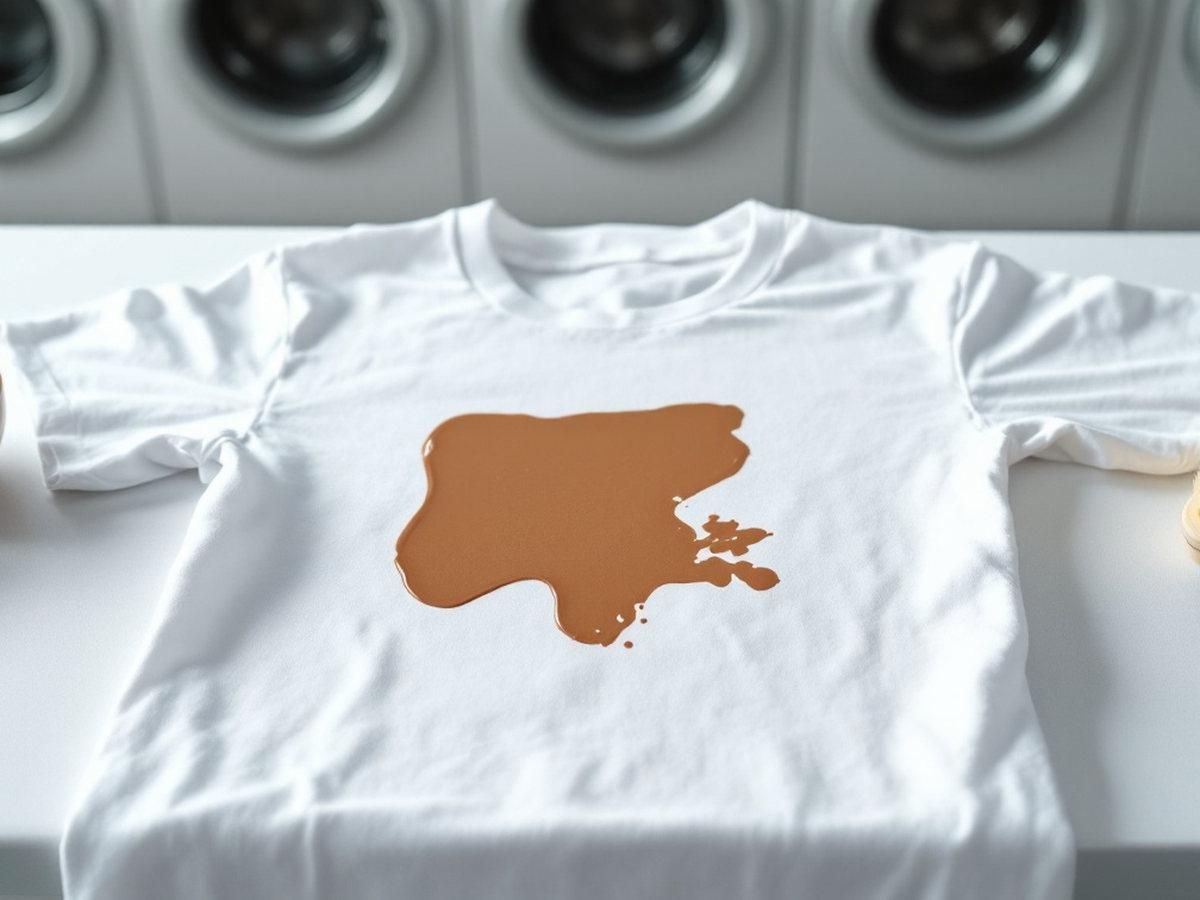
Scrape off the excess, rinse or soak the spot in cool water, pretreat it, and wash. Chocolate gets the hottest water the label allows, while coffee, tea and wine start with cool water (American Cleaning Institute). Keep the garment out of the dryer until the stain is gone, because heat sets stains (NMSU Extension).
Below: the steps for chocolate, a table that shows what changes by stain, and what to do when a stain has already dried.
Key takeaways
- Scrape or blot first, never rub: rubbing spreads the stain and can damage fibers.
- Chocolate: soak in cool water, pretreat, then wash in the hottest water the fabric allows.
- Coffee, tea and wine: sponge or soak in cool water for about 30 minutes before pretreating.
- Tomato sauce and ketchup: run cold water through the back of the stain, never the front.
- Check the spot in good light before the dryer. A dried stain is often permanent.
How do you get chocolate out of clothes?
American Cleaning Institute gives four steps for chocolate, and University of Georgia Extension adds the detergent and enzyme options (American Cleaning Institute; University of Georgia Extension).
- Scrape. Gently lift off excess chocolate with a spoon or the back of a dull knife.
- Soak. Soak the item in cool water (American Cleaning Institute).
- Pretreat. Work in a prewash stain remover, or rub heavy-duty liquid detergent into the spot (American Cleaning Institute; University of Georgia Extension).
- Wash hot. Launder in the hottest water that is safe for the fabric (American Cleaning Institute). University of Georgia Extension says warm to hot water, with bleach if the fabric allows.
- Check, then dry. If a shadow remains, rewash with a bleach that is safe for the fabric (American Cleaning Institute).
Chocolate is a combination stain: it has a greasy part and a colored part (University of Georgia Extension). If an oily mark stays after washing, University of Georgia Extension suggests an enzyme-detergent soak in warm water, then a waterless hand cleaner on the oil, then a rewash.
How do you get chocolate out of white clothes?
White cotton and linen can take chlorine bleach, which NMSU Extension calls best for those fabrics (NMSU Extension). Check the care label first. Use oxygen bleach or a color-safe bleach on anything else.
How do you get hot chocolate or chocolate ice cream out of clothes?
Treat them the same way. For ice cream, American Cleaning Institute adds an enzyme pretreatment, a soak of at least 30 minutes and the warmest water the fabric allows (American Cleaning Institute).
Is hot or cold water better for food and drink stains?
It depends on the stain, so start every food stain with a cool rinse and choose the wash temperature by stain type. American Cleaning Institute says regular stains usually come out in cold water, and tough ones need the warmest setting the fabric allows (American Cleaning Institute). The Drycleaning & Laundry Institute says not to use hot water on a fresh spill (Drycleaning & Laundry Institute).
The table pulls the guides together (American Cleaning Institute; American Cleaning Institute; University of Georgia Extension; University of Georgia Extension). Read the care label before you pick a temperature. For more on settings, see our wash temperature guide.
| Stain | First step | Pretreat with | Wash and bleach |
|---|---|---|---|
| Chocolate | Scrape, soak in cool water | Prewash remover | Hottest safe water; fabric-safe bleach if a shadow stays |
| Coffee, tea | Sponge or soak in cool water | Remover, liquid detergent or detergent paste | Chlorine or oxygen bleach if safe for the fabric |
| Wine | Sponge or soak in cool water about 30 minutes | Prewash remover | Add chlorine bleach if safe for the fabric |
| Tomato sauce, ketchup | Cold water through the back | Liquid detergent, worked in circles | Wash normally; check before drying |
| Mustard | Flush with cold water | Prewash remover | Hottest safe water; chlorine bleach if safe |
| Fruit, juice, berries | Rinse with cool water | Enzyme product, soak at least 30 minutes | Fabric-safe bleach if it stays |
How do you get coffee, tea and wine out of clothes?
Rinse or soak in cool water right away, pretreat, then wash. American Cleaning Institute says to sponge or soak coffee, tea and wine in cool water, pretreat, and launder with a bleach that is safe for the fabric (American Cleaning Institute). For wine, it suggests soaking about 30 minutes (American Cleaning Institute).
- Coffee and tea: University of Georgia Extension pretreats with an enzyme detergent or liquid heavy-duty detergent, then launders with chlorine, oxygen or sodium perborate bleach (University of Georgia Extension).
- Wine: sprinkle a fresh spill with table salt to absorb some of it, then sponge with cool water or club soda (University of Georgia Extension).
- Stubborn color: soak 15 minutes in a mix of 1 quart warm water, 1/2 teaspoon dishwashing liquid and 1 tablespoon white vinegar, then rinse and wash (University of Georgia Extension; University of Georgia Extension).
If wine still shows after that soak, University of Georgia Extension sponges on rubbing alcohol, rinses well and washes again, but warns that alcohol may remove fabric dye (University of Georgia Extension). Test an inside seam first (NMSU Extension).
Milk and sugar make coffee harder to remove (Drycleaning & Laundry Institute). A cream-and-sugar spill is part drink stain and part protein, so soak it before the wash and expect a second pass.
How do you get tomato sauce, ketchup and mustard out of clothes?
Remove the excess without rubbing, then flush from the back of the fabric. American Cleaning Institute says to run cold water through the back of the stain, because water through the front pushes it deeper (American Cleaning Institute).
- Flush. Cold water from the back. For ketchup, avoid dabbing, which can spread the stain (American Cleaning Institute).
- Work in detergent. Apply liquid laundry detergent to the stained area and rub gently, in circles from the outside inward (American Cleaning Institute). University of Georgia Extension pairs ketchup and tomato stains with a prewash spot remover and heavy-duty liquid detergent (University of Georgia Extension).
- Lighten if needed. On white or colorfast fabric, sponge on hydrogen peroxide or white vinegar, then rinse well (American Cleaning Institute).
- Rest, wash, inspect. Leave a stain remover on for at least 5 minutes, wash, and hold the spot to the light before drying (American Cleaning Institute).
Mustard
Mustard contains turmeric, a yellow dye, and left untreated it can be impossible to remove (University of Georgia Extension). University of Georgia Extension says to scrape off the excess, work in light liquid detergent with a few drops of vinegar, then use 3 percent hydrogen peroxide if color remains. American Cleaning Institute adds a hot wash with bleach if the fabric allows (American Cleaning Institute).
Berries and juice
Do not use soap on fruit stains, because it can set them (University of Georgia Extension). Use an enzyme product and soak for at least 30 minutes, longer for old stains (American Cleaning Institute).
Will Dawn dish soap or vinegar get these stains out?
Often as a pretreatment, not on their own. NMSU Extension lists liquid dishwashing detergent among the solvents for greasy stains, and the University of Georgia's coffee and wine soak uses 1/2 teaspoon of it per quart (NMSU Extension; University of Georgia Extension). A grease-cutting dish soap is a reasonable first step on the oily part of chocolate. None of the guides we read test a specific brand.
White vinegar helps in two ways. It sits in the soak above (1 tablespoon per quart), and American Cleaning Institute uses it to lighten tomato stains on white or colorfast fabric (University of Georgia Extension; American Cleaning Institute). Dish soap and vinegar together are that same soak. Our vinegar in laundry guide covers when to skip it.
Never mix stain removers, especially ammonia and chlorine bleach, and rinse well between products (NMSU Extension).
Does chocolate stain permanently, and what about set-in stains?
Not if you treat it before heat. NMSU Extension says set-in stains are harder to remove and that heat sets them, so do not press the garment or put it in the dryer (NMSU Extension). A stain that dries often becomes permanent (American Cleaning Institute).
The Drycleaning & Laundry Institute says that after 1 week many stains begin to set, and after 3 weeks nearly half may be permanent (Drycleaning & Laundry Institute). Sugary spills can also dry invisibly and turn yellow or brown later through oxidation (Drycleaning & Laundry Institute).
How do you remove set-in chocolate stains?
Run the same steps again with more time. Soak in warm water with an enzyme detergent, treat any oily mark, then wash in the hottest water the fabric allows (University of Georgia Extension; American Cleaning Institute). For old coffee and tea stains, American Cleaning Institute also suggests an enzyme soak before washing (American Cleaning Institute).
What if it already went through the dryer?
Start over at the pretreat step and expect a partial result. Repeat until the stain is gone, and check it before each dry (American Cleaning Institute).
What is the hardest stain to remove, and can some never come out?
American Cleaning Institute says some inks may be impossible to remove, and nail polish may be too (American Cleaning Institute). The Drycleaning & Laundry Institute says some stains resist even professional care when they are very old, the fabric is delicate, or removing the stain would remove the dye (Drycleaning & Laundry Institute). For ink, see our ink stain guide.
When should you take a stained garment to a pro?
Take it in when the label says dry clean only, the fabric is silk or wool, or a home attempt has not worked. NMSU Extension says dry-clean-only fabrics should get only a dry-cleaning agent or a cleaner's help (NMSU Extension). Avoid stain sticks and household cleaners before you go, and tell the cleaner what was spilled (Drycleaning & Laundry Institute).
If you would rather not treat it yourself, look for professional stain removal or dry cleaning near you. More than 2,100 laundromats in the LaundroMaps directory list stain removal as a service, as of October 2026 (LaundroMaps directory data). A wash-and-fold service is the option when a whole load took the spill.
For grease on the same garment, see grease and oil stains. For other stains, use our stain removal guide.
Frequently asked questions
Will Dawn dish soap get chocolate out of clothes?
It can help on the greasy part of the stain as a pretreatment. NMSU Extension lists liquid dishwashing detergent among its solvents, but you still need to rinse and wash. No guide we read tests a specific brand.
Does Dawn and vinegar remove stains?
Together they are the base of the University of Georgia soak for coffee and wine stains: 1 quart warm water, 1/2 teaspoon dishwashing liquid and 1 tablespoon white vinegar for 15 minutes. Rinse and wash afterward.
Will vinegar remove chocolate stains?
The chocolate guides we read do not use vinegar. Use it on tomato stains on white or colorfast fabric, or in the coffee and wine soak.
Is there a stain that cannot be removed?
Yes. The American Cleaning Institute says some inks and nail polish may be impossible to remove. The Drycleaning & Laundry Institute adds that very old stains and stains on delicate or dye-sensitive fabric can resist removal.
Can toothpaste remove stains on clothes?
None of the stain guides we read recommend it. The Drycleaning & Laundry Institute lists toothpaste among personal-care products that can affect fabric dyes.
How we researched this
We read the American Cleaning Institute's stain guide, the University of Georgia Extension stain pages, NMSU Extension guide C-502 and the Drycleaning & Laundry Institute's stain page on October 14, 2026, and cite 10 pages from them in this post. We gave priority to trade-association and university sources and used a directory count from LaundroMaps. We did not lab-test any method, so check the care label and test a hidden seam first.
Sources
- American Cleaning Institute -- Stain Removal Guide
- New Mexico State University Extension -- Removing Clothing Stains (Guide C-502)
- University of Georgia Extension -- Remove Stains From Chocolate/Cocoa
- Drycleaning & Laundry Institute -- Stains: What to Do When You Spill Something on Your Clothes
- American Cleaning Institute -- Tomato Sauce and Spaghetti Dinner Stains
- University of Georgia Extension -- Remove Stains From Alcoholic Beverages, Beer, Wine
- University of Georgia Extension -- Remove Stains From Fruits, Red Vegetables, Jam/Jelly/Preserves
- University of Georgia Extension -- Remove Stains From Coffee, Tea
- University of Georgia Extension -- Remove Stains From Ketchup, Tomato, Tomato-based Sauces/Juices
- University of Georgia Extension -- Remove Stains From Mustard
- LaundroMaps directory data -- 13,000+ US laundromat listings, October 2026