How Often Should You Wash Your Sheets? What Experts Say

LaundroMaps Team
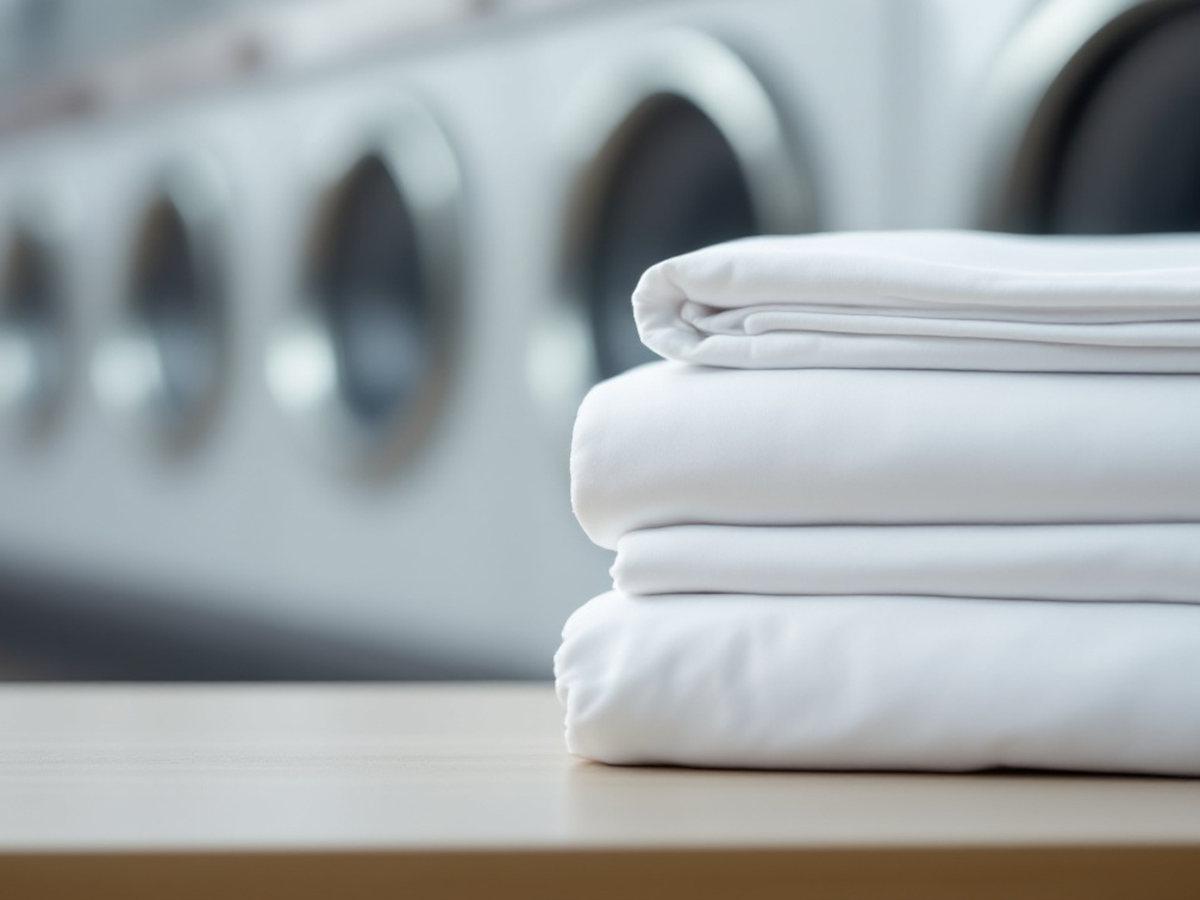
Wash your sheets once a week. Cleveland Clinic says medical experts advise at least weekly, and Sleep Foundation says every two weeks can work if you don't sleep in the bed every night. Wash them every 3 to 4 days if pets share the bed (Sleep Foundation).
Use hot water when the care label allows it. Weekly washing in water of at least 130°F is the standard advice for keeping dust mites down (Mayo Clinic; the Asthma and Allergy Foundation of America).
Key takeaways
- Wash sheets and pillowcases once a week; every 2 weeks is the longest gap experts accept for a bed you don't use nightly.
- Wash every 3 to 4 days if pets sleep on the bed, and more often in summer or after illness.
- Use water of at least 130°F for dust mites, if the care label allows it.
- If sheets can't take hot water, dry them for at least 15 minutes above 130°F.
- Wash duvet covers every 2 weeks to a month, and comforters and blankets every 2 to 3 months.
How often should you wash your bed sheets?
Once a week is the common guidance. Cleveland Clinic advises at least weekly, and says washing every other week still brings benefits such as fewer allergy symptoms and less odor. Mayo Clinic also lists weekly washing of all sheets, blankets, pillowcases and bedcovers as self-care for dust mite allergy.
Your schedule depends on how the bed is used:
- Slept in nightly: once a week (Sleep Foundation).
- Slept in only some nights, such as a guest bed: about every 2 weeks (Sleep Foundation).
- Pets on the bed: every 3 to 4 days (Sleep Foundation).
- Asthma or allergies: weekly at minimum, and try more often to see if symptoms improve (Sleep Foundation; the Asthma and Allergy Foundation of America).
A second set of sheets makes weekly washing easier. Strip the bed, make it up with the clean set, and wash the other when it suits you (Sleep Foundation).
How often should you wash pillowcases, duvet covers and blankets?
Pillowcases follow the sheets, and larger items go on a longer cycle. Sleep Foundation gives this schedule, and Cleveland Clinic adds that comforters and pillows can be washed about every six months or as needed:
| Item | How often |
|---|---|
| Fitted and flat sheets | Once a week |
| Pillowcases | Once a week |
| Duvet covers | Every 2 weeks to a month |
| Comforters and blankets | Every 2 to 3 months |
| Pillows (if washable) | Every 4 to 6 months |
| Mattress (vacuum and spot-clean) | About every 6 months |
Pet owners and anyone with allergies should shorten each interval (Sleep Foundation; Cleveland Clinic). Check the care label first, because some bedding needs specific handling (Sleep Foundation). Washing does not last forever: the Asthma and Allergy Foundation of America advises replacing pillows every 2 years and mattresses every 10 years.
Comforters and large pillows often need a large-capacity machine. Our guides cover washing a comforter at a laundromat and washing pillows. If you would rather not do it yourself, a local wash-and-fold service will wash and return bedding for you, or find a laundromat near you with large machines.
Why do sheets need washing every week?
Sheets collect sweat, body oil, dead skin, dirt and dust mites within a few days (Sleep Foundation). Cleveland Clinic cites a dermatologist who says the average person sheds about a gram and a half of skin cells a day, almost half a teaspoon, and much of it rubs off on the sheets at night.
Those skin cells feed dust mites and bacteria (Cleveland Clinic). Dust mites do not bite, but they can cause skin rashes and irritation and may worsen allergy symptoms (Sleep Foundation). Cleveland Clinic adds that dirty bedding can contribute to rashes and eczema (Cleveland Clinic).
Washing does more than remove dirt. Hot water kills dust mites and helps get sheets thoroughly clean (Cleveland Clinic). Leaving the bed unmade for a short while after waking lets sweaty sheets dry, which reduces the moisture that dust mites and bacteria need (Cleveland Clinic).
When should you wash your sheets more often?
Shorten the gap in these situations (Cleveland Clinic):
- You sweat a lot, or it is hot and humid. Sleep Foundation recommends washing more often in summer.
- Pets sleep on the bed. Wash every 3 to 4 days (Sleep Foundation).
- You have asthma or allergies. Wash again whenever allergies flare (Cleveland Clinic).
- You are recovering from an illness or infection. Wash the bedding again once you feel better (Cleveland Clinic).
- You sleep naked. Cleveland Clinic lists this as a reason to wash more often (Cleveland Clinic).
Wash any time the sheets feel sticky or grimy, smell, show sweat marks or stains, or contain crumbs or dirt (Cleveland Clinic).
Can you wash a sick person's sheets with everyone else's?
Yes. The CDC says it is safe to wash a sick person's laundry with other people's items. Use detergent, the warmest water setting the label allows, dry the items completely, and wash your hands after handling dirty laundry (the CDC).
What temperature should you wash bed sheets?
Hot, when the label allows it. Mayo Clinic says bedding should be washed in water of at least 130°F (54.4°C) to kill dust mites and remove allergens, and the Asthma and Allergy Foundation of America gives the same figure.
Not every sheet can take it. Cotton usually handles hot water, while polyester calls for warm (Sleep Foundation). Silk usually needs colder water or hand washing (Sleep Foundation). Hot water can also shrink cotton and other natural fibers and wear the fabric out faster (Sleep Foundation).
If bedding can't be washed hot, dry it for at least 15 minutes above 130°F to kill the mites, then wash and dry it again to remove the allergens (Mayo Clinic). Freezing for 24 hours also kills mites but does not remove allergens (Mayo Clinic).
Our wash temperature guide covers the rest of your laundry.
How do you wash sheets step by step?
- Read the care label for specific instructions.
- Wash in the hottest water the label lists, with a gentle detergent on a gentle cycle.
- Rinse a second time with water only if you have sensitive skin, to remove detergent residue.
- Move the sheets to the dryer or a clothesline right away to avoid mold and odor, and tumble dry on low.
These steps come from Sleep Foundation.
How do I keep my bed sheets white?
White sheets turn yellow gradually because of body oil and sweat, and lotions and cosmetics can change the color too (Sleep Foundation).
Wash weekly, since Sleep Foundation recommends washing white sheets at least once a week. It also suggests these steps:
- Wash without bleach first. Chlorine bleach can react with leftover body oil and cause yellow stains, so clean the oil away first and bleach only if the sheets still look dull (Sleep Foundation).
- Add baking soda or white vinegar. Half a cup of baking soda with the detergent, or half a cup of white vinegar at the start of the wash (Sleep Foundation).
- Dry in the sun. One to two hours on a clothesline can whiten as well as a dryer (Sleep Foundation).
Why is my wife's side of the bed yellow?
Yellowing comes from body oil and sweat building up in the fabric (Sleep Foundation), so it shows first where someone sleeps. Weekly washing is the fix, and bleach can make it worse if oil is still in the fabric (Sleep Foundation).
For brighter whites overall, see our guide to washing white clothes.
Do you need a top sheet?
A top sheet is optional, but it saves washing. Sleep Foundation says a top sheet acts as a barrier between you and the comforter, shielding it from sweat, oil, dead skin cells and dust mites.
Because a top sheet is much easier to wash than a comforter or duvet, you can refresh your bed more often with less effort, and washing the comforter less often extends its life (Sleep Foundation). Skip the top sheet and the duvet or comforter takes the sweat and skin cells directly, so wash it on the shorter end of its range.
How do you get stains out of sheets?
Treat stains before the wash. Run the stain under cold water to lift it and avoid rubbing, which can spread it (Sleep Foundation).
For heavily soiled sheets, soak them in cold water with detergent for 15 to 30 minutes, then rinse under cold running water (Sleep Foundation). For specific stains such as blood, see our blood stain guide and the stain-by-stain guide.
Frequently asked questions
How many years should bed sheets last?
The sources we read give no lifespan for sheets. They do say hot water can wear fabric out faster, and the Asthma and Allergy Foundation of America advises replacing pillows every 2 years and mattresses every 10 years.
Why does Gen Z not use top sheets?
The sources we read don't explain the trend. They do say a top sheet shields the comforter from sweat, oil, dead skin cells and dust mites, so skipping it means washing the comforter or duvet cover more often.
What happens if you don't wash your sheets often enough?
Sheets build up sweat, body oil, dead skin, dirt and dust mites. That buildup can contribute to rashes, eczema and worse allergy symptoms, and it gives odors and stains time to set.
Is washing sheets every two weeks enough?
For most people who sleep in the bed nightly, once a week is the standard advice. Washing every other week still brings benefits such as fewer allergy symptoms and less odor, and it is the longest gap suggested for a bed you don't use every night.
How often should you wash your pillowcase?
Once a week, along with your sheets. Wash them sooner if you sweat heavily or notice odor or staining.
How often should you wash a duvet cover?
Every 2 weeks to a month. A comforter or blanket without a cover can go about 2 to 3 months between washes.
How often should you wash your sheets in the summer?
More often than once a week if you sweat heavily. Warm months add sweat to bedding, so wash again whenever the sheets feel damp, sticky or smell.
How we researched this
We read the care and frequency guidance from Cleveland Clinic, Mayo Clinic, the Asthma and Allergy Foundation of America, the CDC and the Sleep Foundation on October 14, 2026, and cited every page we used. We prioritised medical and allergy organizations for how often to wash and at what temperature. We did not lab-test any wash routine, and we found no clinical trial that sets an ideal washing frequency, so the schedules here are expert guidance, not proven thresholds.
Sources
- Sleep Foundation -- How Often Should You Wash Your Sheets?
- Mayo Clinic -- Dust Mite Allergy: Diagnosis and Treatment
- Asthma and Allergy Foundation of America -- Dust Mite Allergy
- Cleveland Clinic -- How Often You Should Wash Your Sheets
- Centers for Disease Control and Prevention -- When and How to Clean and Disinfect Your Home
- Sleep Foundation -- How to Wash Your Sheets
- Sleep Foundation -- How to Whiten Sheets
- Sleep Foundation -- Do You Really Need a Top Sheet for Your Bed?