How Often Should You Wash Clothes? A Chart for Everything

LaundroMaps Team
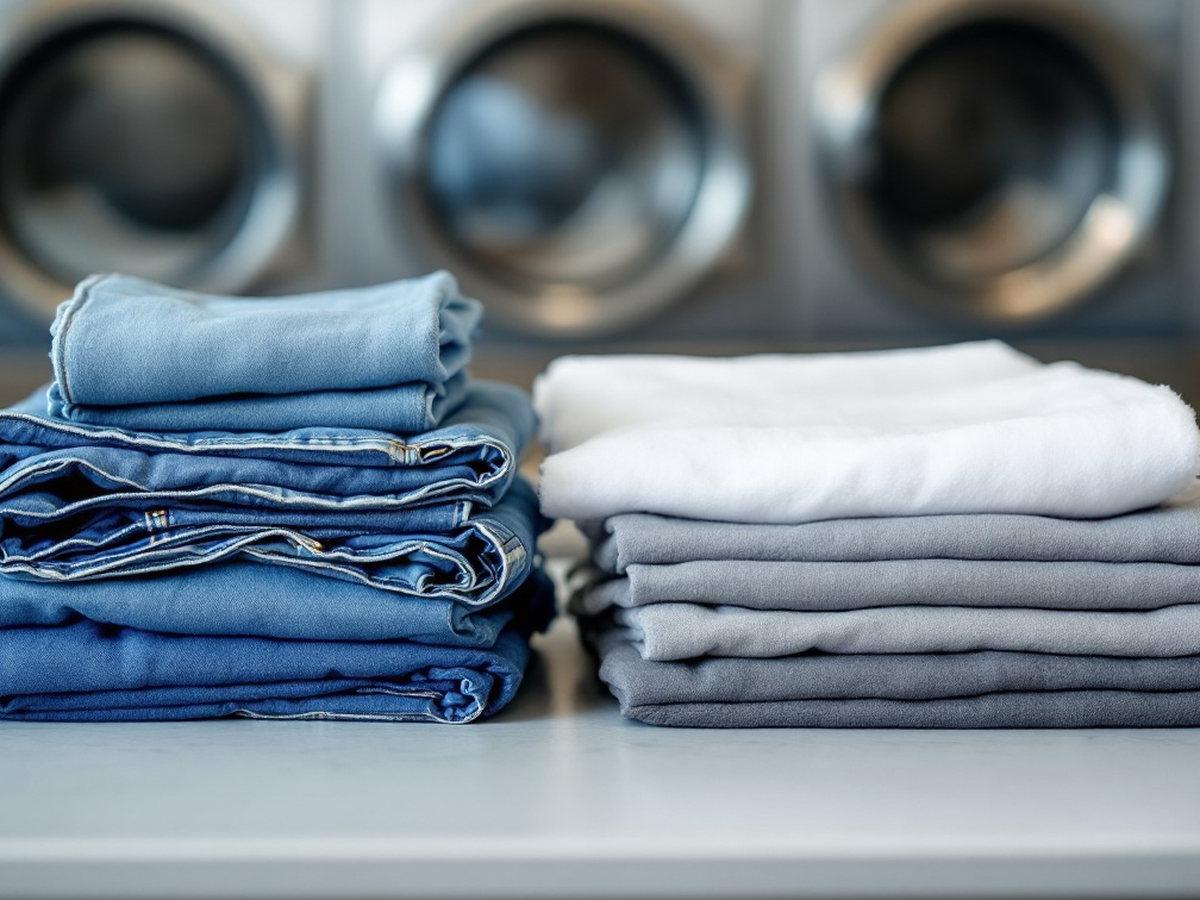
Wash anything that sits against your skin and soaks up sweat after every wear: underwear, socks, t-shirts, leggings, swimsuits and workout clothes. Jeans can go about 3 wears, khakis and dress shirts a few, pajamas 3 to 4, sheets 1 to 2 weeks, and bath towels 3 to 5 uses (American Cleaning Institute).
The one mistake to avoid: judging by the sniff test alone. Heat, sweat, stains and illness at home all shorten the schedule (American Cleaning Institute; Cleveland Clinic).
Key takeaways
- Every wear: underwear, socks, t-shirts, tank tops, leggings, swimsuits and workout clothes.
- Bras every 2 to 3 wears with a rest day between; pajamas every 3 to 4 wears.
- Jeans every 3 wears by the American Cleaning Institute's count, or about every 10 by Levi's, if they don't look or smell dirty.
- Sheets and pillowcases weekly, and at least every 2 weeks; bath towels after 3 to 5 uses, or at least once a week.
- Wash more often when someone is sick, you sweat heavily, the house is humid or pets share the bed.
How often should you wash your clothes? The chart
The chart below follows the American Cleaning Institute list, with the extra items from Utah State University Extension, whose educator Teresa Hunsaker published a longer schedule based on the same guidance. Where a maker says something different about its own product, the row says so.
| Item | How often | Why |
|---|---|---|
| Underwear and socks | Every wear | Direct skin contact, sweat (American Cleaning Institute) |
| T-shirts, tank tops, camisoles | Every wear | Worn against the skin (American Cleaning Institute) |
| Workout and athletic wear | Every wear | Soaked with sweat (Utah State University Extension) |
| Leggings and tights | Every wear | Washing also removes baggy knees (American Cleaning Institute) |
| Swimsuits | Every wear | Direct skin contact (American Cleaning Institute) |
| Whites and silks | Every wear | Prone to discoloration (American Cleaning Institute) |
| Bras | Every 2 to 3 wears, with a rest day | Elastic needs time to regain its shape (American Cleaning Institute) |
| Pajamas | Every 3 to 4 wears | A few more if you shower before bed (American Cleaning Institute) |
| Dress shirts, blouses, khakis | After a few wears | Sooner if it's hot, you sweat or they're stained (American Cleaning Institute) |
| Jeans | About every 3 wears | Levi's says about every 10 for its denim (American Cleaning Institute; Levi's) |
| Sweaters, dresses, pants | Every 3 to 4 wears | Less skin contact (Utah State University Extension) |
| Suits | Dry clean every 3 to 4 wears (wool) or 4 to 5 (synthetics) | Sooner after smoke, smog or a stain (American Cleaning Institute) |
| Bathrobes | Monthly | Worn after bathing, between washes (Utah State University Extension) |
| Outerwear and vests | Every 3 months | Little skin contact (Utah State University Extension) |
| Heavy coats | Once or twice a year | Worn over other layers (Utah State University Extension) |
Any stain changes the schedule: wash, spot clean or dry clean it as soon as you can, because prompt treatment extends the garment's life (American Cleaning Institute).
How often should you wash sheets, towels and other linens?
Wash sheets and pillowcases weekly. Cleveland Clinic dermatologist Sean McGregor advises at least once a week, while the American Cleaning Institute sets the outer limit at every 2 weeks (Cleveland Clinic). Towels follow a similar rhythm.
| Item | How often | Source |
|---|---|---|
| Sheets and pillowcases | Weekly, at least every 2 weeks | Cleveland Clinic; Utah State University Extension; American Cleaning Institute |
| Bath towels | After 3 to 5 uses, or at least once a week | American Cleaning Institute; Cleveland Clinic |
| Hand towels | Every 2 days to once a week | Utah State University Extension; Cleveland Clinic |
| Washcloths | At least twice a week | Cleveland Clinic |
| Dish towels | Every 2 days | Utah State University Extension |
| Gym towels left damp in a bag | A clean one daily | Cleveland Clinic |
| Bath mats | Weekly | Utah State University Extension |
| Mattress pads | Monthly | Utah State University Extension |
| Throw blankets and throw rugs | Every 3 months | Utah State University Extension |
| Comforters, blankets, bed pillows | Every 6 months, or once or twice a year | Cleveland Clinic; Utah State University Extension |
Why do towels need washing so often?
A towel that stays damp keeps yeasts, bacteria and molds alive, says Cleveland Clinic dermatologist Alok Vij. Hang it spread out on a bar so it dries between uses, and wash towels 2 to 3 times a week when your home is humid (Cleveland Clinic). The steps for soft, fresh towels are in our guide to washing towels.
Why do sheets need washing weekly?
Dead skin cells in your sheets feed bacteria and dust mites, and that buildup can irritate skin and trigger eczema (Cleveland Clinic). Our post on how often to wash sheets covers the details, and the comforter guide covers the bulky items.
How many times can you wear the same clothes without washing?
It depends on how close the garment sits to your skin. The International Scientific Forum on Home Hygiene says the items most likely to carry germs are those in direct contact with the body, such as underwear, personal towels and bed linen. Outer clothing is less likely to be a risk unless vomit or feces soil it (International Scientific Forum on Home Hygiene).
- Skin layer: underwear, socks, t-shirts and leggings get washed after every wear (American Cleaning Institute).
- Middle layer: shirts, khakis, sweaters and pants last a few wears unless it's hot or you sweat (American Cleaning Institute; Utah State University Extension).
- Outer layer: coats and jackets go months between washes (Utah State University Extension).
An undershirt keeps sweat off the layer above it, which is why outer garments can go longer between washes. Wash anything visibly dirty or stained right away, whatever the count (American Cleaning Institute).
How often should you wash hoodies and sweaters?
Every 3 to 4 wears (Utah State University Extension). Wear a t-shirt underneath and the hoodie stays fresh longer, because the tee takes the sweat and goes in the wash instead.
How often should I wash chinos?
Chinos are khakis, which the American Cleaning Institute puts in the "a few wears" group, unless it's hot, you've been sweating, or they're visibly dirty or stained.
How often do you wash pajamas?
Every 3 to 4 wears. If you shower before bed, you can get a few more wears out of them (American Cleaning Institute).
How often should you wash jeans?
About every 3 wears, says the American Cleaning Institute. Levi's recommends washing its denim about every 10 wears to keep the shape and fit. Both are sensible: wash after 3 if you sweat in them or they look or smell dirty, and stretch toward 10 if they stay clean.
- Spot clean minor stains with a damp cloth, a soft brush and mild soap instead of washing the whole pair (Levi's).
- Wash inside out, zippers closed, in cold water on a gentle cycle (Levi's).
- Air dry when you can: machine drying can add to shrinking and fading (Levi's).
More on keeping the color in our guide to washing jeans without fading.
How often should you wash a bra?
Every 2 to 3 wears, with a rest day between wears so the elastic can regain its shape, says the American Cleaning Institute. Wacoal goes further for its own bras and says to wash after every wear, because of body oils, sweat and skin.
If you sweat heavily or it's hot, follow the stricter rule. Wacoal suggests at least 3 everyday bras, one to wear, one to wash and one to rest, so no bra is worn 2 days in a row (Wacoal).
When should you wash clothes and bedding more often?
Shorten the schedule when someone is sick, when it's hot or humid, and when skin, sweat or pets add to the load. Cleveland Clinic lists asthma or allergies, heavy sweating, hot or humid weather, pets in the bed, recovering from an illness and sleeping naked as reasons to wash sheets more often.
When someone at home is sick
The International Scientific Forum on Home Hygiene says the risk of spreading infection through laundry rises when a family member has diarrhea, vomiting, or a skin or wound infection. The American Cleaning Institute sets three levels of precaution:
- Healthy household: detergent at any temperature, cold included (American Cleaning Institute).
- Colds, flu, COVID-19: a deeper-cleaning detergent, warm wash and dry, gloves, and don't shake the clothes (American Cleaning Institute).
- Vomiting, diarrhea or a weakened immune system: bleach or an EPA-registered laundry sanitizer, hot wash and dry, and the sick person's items washed separately (American Cleaning Institute).
For everyday illness, the CDC says it's safe to wash a sick person's laundry with other people's items. Use detergent and the recommended water temperature, dry items completely, and wash your hands after handling dirty laundry.
Skin conditions and towels
Wash towels more often when you're sick or have cuts, rashes or another break in the skin barrier, and don't share washcloths (Cleveland Clinic).
Can you overwash clothes?
Yes: every unneeded wash adds wear. Levi's spaces denim washes to keep the shape and fit, and says machine drying can add to shrinking and fading. Elastic also needs rest: that's why bras get a day off between wears (American Cleaning Institute).
Synthetic fabrics shed fibers in every wash. a 2016 study in Marine Pollution Bulletin found polyester and acrylic shed significantly more fibers than a polyester-cotton blend, and that these fibers could be an important source of microplastics in water.
Overwashing never applies to skin-layer items. Underwear, socks, tees and workout clothes still go in after every wear (American Cleaning Institute).
How often should you do laundry?
For most people, once a week. Sheets and towels are on a weekly schedule, so a weekly wash day keeps bedding, towels and the week's clothes in step (Cleveland Clinic; Cleveland Clinic). A single person with enough underwear and gym clothes for 7 days can usually do it all in one session.
If you'd rather not spend the time, more than 6,700 laundromats in the LaundroMaps directory list a wash-and-fold service and more than 4,300 list laundry pickup and delivery, as of October 2026 (LaundroMaps directory data). For comforters, blankets and pillows that don't fit a home washer, a laundromat near you with large-capacity machines handles the twice-a-year items in one trip.
Frequently asked questions
Is it okay to wear the same pajamas for a week?
Most guidance says to wash pajamas every 3 to 4 wears, so a full week is longer than recommended. If you shower before bed, you can stretch it a little. Wash them sooner if you sweat at night or have been sick.
How often does the average person change their pajamas?
We didn't find a reliable survey of what people actually do. The American Cleaning Institute's guidance is every 3 to 4 wears, with a few more if you shower before bed.
Is it healthier to sleep without pajamas?
That's a sleep question rather than a laundry one, but it changes your laundry. Cleveland Clinic lists sleeping naked as a reason to wash your sheets more often, because your skin is in direct contact with the bedding.
How often should you wash your pillows?
Wash bed pillows about every 6 months, or once or twice a year, if the label allows machine washing. Pillowcases go in weekly with the sheets.
How often should you wash a comforter or blanket?
Comforters and bed blankets need washing about every 6 months, or once or twice a year. Throw blankets used on the couch go every 3 months.
How often should you wash workout clothes?
After every wear. Sweat-soaked athletic wear is in the same group as underwear and socks.
How we researched this
We built this chart from the American Cleaning Institute's laundry guidance, Utah State University Extension, Cleveland Clinic dermatologists, the CDC and the International Scientific Forum on Home Hygiene, plus Levi's and Wacoal on their own products and one peer-reviewed abstract on fiber shedding. Where sources disagree (jeans, bras, comforters), we show both. We cited 10 sources and LaundroMaps directory counts, and we didn't test wash schedules ourselves. Researched October 2026.
Sources
- American Cleaning Institute -- Do I Need to Wash This?
- Cleveland Clinic -- How Often You Should Wash Your Sheets
- Utah State University Extension -- Ask an Expert: The Dirt on Laundry, How Often to Wash?
- Levi Strauss & Co. -- Denim Care and Washing
- Cleveland Clinic -- How Often Should You Wash Your Bath Towels?
- International Scientific Forum on Home Hygiene -- Clothing, Household Linens, Laundry and Home Hygiene
- Wacoal America -- Bra Care
- American Cleaning Institute -- Levels of Laundry: Guidance on Laundry Care for Better Health
- Centers for Disease Control and Prevention -- When and How to Clean and Disinfect Your Home
- Napper and Thompson, Marine Pollution Bulletin (2016) -- Release of Synthetic Microplastic Plastic Fibres from Domestic Washing Machines: Effects of Fabric Type and Washing Conditions
- LaundroMaps directory data -- 13,000+ US laundromat listings, October 2026
Related guides
- Getting sweat smell out of clothes: presoak, water temperature and drying.