Is Dry Cleaning Toxic? Perc, Green Solvents and Wet Cleaning
LaundroMaps Team
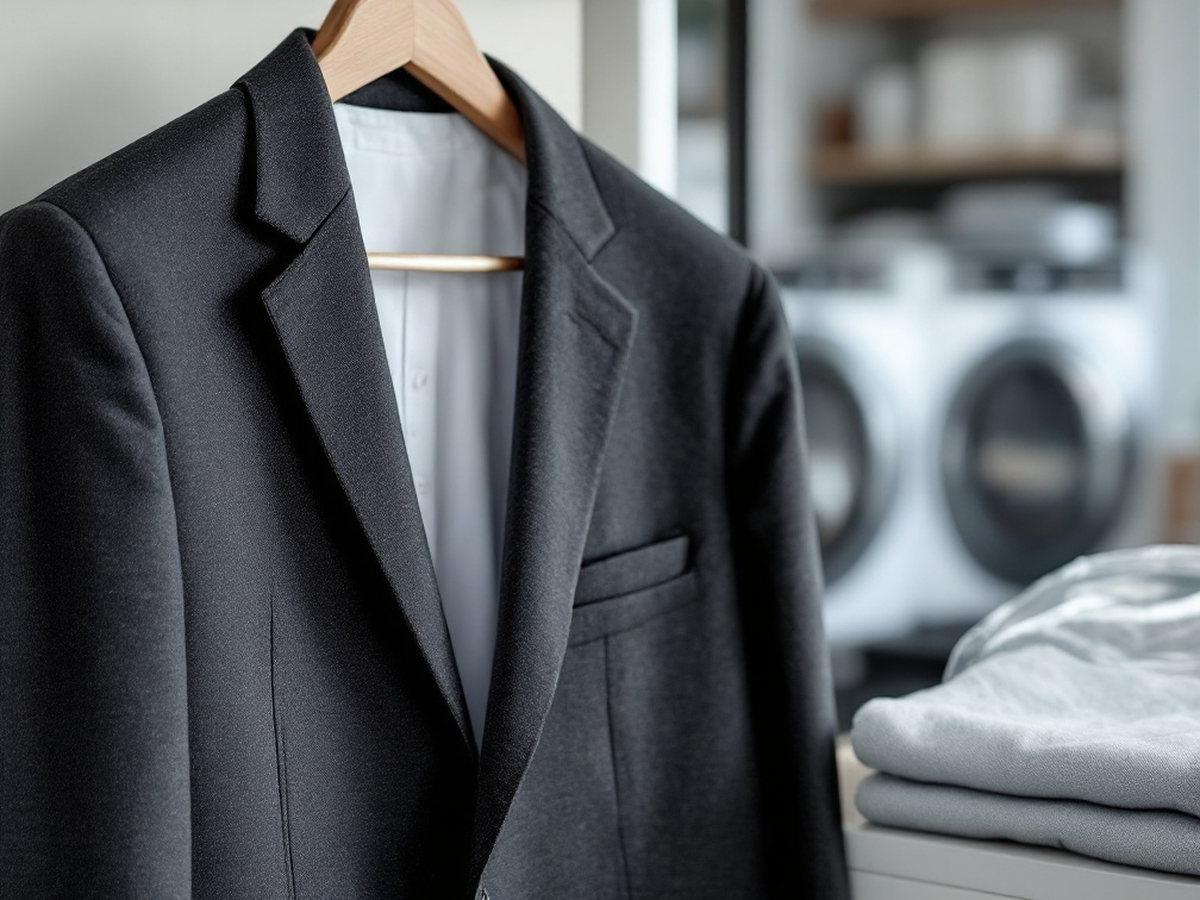
Traditional dry cleaning uses perchloroethylene (perc), a solvent the EPA considers likely to cause cancer in humans (ATSDR). The heaviest exposure falls on dry cleaning workers and people living next to shops; customers breathe low levels from freshly cleaned clothes (EPA's indoor air guidance). If your clothes come back with a strong chemical smell, the EPA says not to accept them until they have been properly dried (EPA's indoor air guidance).
Professional wet cleaning, which uses water and mild detergents instead of a solvent, avoids perc entirely (Connecticut's environmental agency).
Key takeaways
- Perc is still the main solvent at an estimated 60 to 65% of US dry cleaners; most of the rest use a petroleum hydrocarbon.
- Short, high exposures to perc cause dizziness and headaches; long-term exposure is linked to bladder cancer, multiple myeloma and non-Hodgkin lymphoma.
- Refuse dry cleaning that smells strongly of chemicals, and switch cleaners if it keeps happening.
- The EPA's 2024 rule phases perc out of dry cleaning by December 19, 2034, but the agency is reconsidering the rule.
- Professional wet cleaning and liquid CO2 are the two options that avoid hazardous solvents; "organic" usually means a petroleum hydrocarbon.
What is used to dry clean clothes?
Dry cleaning is not dry: clothes are washed in a liquid solvent (a chemical that dissolves oils and grease) instead of water. Perc is the main solvent at 60 to 65% of US dry cleaners, and most of the rest use a high-flashpoint hydrocarbon (a 2021 review in Frontiers in Public Health). Smaller numbers use butylal, siloxane, liquid carbon dioxide, glycol ethers or water (a 2021 review in Frontiers in Public Health).
An older Connecticut fact sheet put perc's share at 80% of facilities, so the industry has been moving away from it (Connecticut's environmental agency). Here is how the main options compare, using the hazard groups summarized in a 2021 review in Frontiers in Public Health and the notes from San Francisco Environment Department:
| Process | What cleans the clothes | Main concern |
|---|---|---|
| Perc (perchloroethylene) | Chlorinated solvent | Likely human carcinogen; nervous system, liver and kidney effects |
| Hydrocarbon (often sold as "organic") | Petroleum solvent | More flammable than perc; some blends contain benzene; hazardous waste |
| Siloxane (D5) | Silicone-based solvent | Suspected carcinogen in animal studies; combustible |
| Butylal, glycol ethers | Other organic solvents | Toxicology data gaps; hazardous waste |
| Liquid CO2 | Pressurized carbon dioxide plus detergent | Considered non-toxic; costly high-pressure machines |
| Professional wet cleaning | Water plus specialized detergents | Ranked the safest option; no organic hazardous waste |
The spot removers used on stains before cleaning matter too: wet cleaning shops typically use less hazardous spotting chemicals than perc and hydrocarbon shops (a 2021 review in Frontiers in Public Health).
Is dry cleaning safe for your health?
For most customers the exposure is low, but it is not zero. EPA's indoor air guidance says people breathe low levels of perc in homes where dry-cleaned goods are stored and while wearing dry-cleaned clothing. Cleaners recapture most perc for reuse, but some do not remove as much as possible every time (EPA's indoor air guidance).
What perc does depends on the dose and how long you breathe it (ATSDR):
- High levels, briefly: dizziness, drowsiness, headache and poor coordination; very high levels can cause unconsciousness.
- Low levels, for long periods: changes in mood, memory, attention, reaction time and vision.
- Cancer: human studies suggest a higher risk of bladder cancer, multiple myeloma and non-Hodgkin lymphoma.
The classifications differ in wording: HHS calls perc reasonably anticipated to be a human carcinogen, the EPA likely carcinogenic, and the International Agency for Research on Cancer probably carcinogenic (ATSDR). California lists it as a carcinogen under Proposition 65 (San Francisco Environment Department).
Is it safe to wear clothes that have been dry cleaned?
Yes, for nearly everyone, if the clothes were properly dried before you picked them up. Dry-cleaned clothes release small amounts of perc into the air after you bring them home (ATSDR), and a 2021 review notes that consumers can also be exposed through skin contact with perc-cleaned items (a 2021 review in Frontiers in Public Health). A strong solvent smell is the sign the job was not finished (EPA's indoor air guidance).
Don't rely on your nose over time: perc has an ether-like smell, but most people stop noticing it after a short while (New York State Department of Health).
Who faces the real risk from dry cleaning chemicals?
Workers and close neighbors, not occasional customers. OSHA lists perc symptoms in dry cleaning shops as central nervous system depression, liver and kidney damage, impaired memory, dizziness, headache, and eye, nose and throat irritation; repeated skin contact can cause dermatitis.
Studies of dry cleaning workers exposed for 7 to 20 years found reduced scores on nerve and color-vision tests and signs of liver and kidney stress, though the effects were mild (New York State Department of Health). Workplace exposure has also been linked to fertility problems and miscarriage, though those studies do not prove cause (New York State Department of Health).
Living above or beside a perc shop raises indoor levels. In New York apartments in buildings with a perc dry cleaner, indoor air had a median of 340 mcg/m3, and children there showed a very small drop on one vision test (New York State Department of Health). The state's guideline for indoor air is 30 mcg/m3 (New York State Department of Health).
Is dry cleaning bad for the environment?
Perc breaks down slowly and can seep through soil into groundwater (ATSDR). The San Francisco Environment Department reports that more than 75% of US dry cleaning sites are contaminated with hazardous substances (San Francisco Environment Department).
Is perc being banned in dry cleaning?
Federally, a phaseout is on the books but under review. In December 2024 the EPA set a 10-year phaseout of perc in dry cleaning, after finding that 60 of the 61 uses it evaluated contributed to an unreasonable health risk.
The dates in EPA's dry cleaner compliance guide are:
- June 16, 2025: no perc in dry cleaning machines acquired after this date.
- December 20, 2027: no perc in older third-generation machines or the spot cleaning done with them.
- December 19, 2034: no perc in any dry cleaning or spot cleaning.
In July 2025 the EPA opened public comment to reconsider and possibly revise the rule, and in July 2026 it pushed back some worker-protection deadlines to 2027 (EPA). Treat the later dates as the current rule, not a certainty.
California went further: its 2007 rules phased out perc dry cleaning machines statewide by January 1, 2023 (California Air Resources Board).
Do dry cleaners still use trichloroethylene?
They should not. Trichloroethylene (TCE), a solvent found in some cleaning products, falls under an EPA rule that eventually prohibits every use (EPA). Industrial and commercial use of TCE and TCE-containing products has been prohibited since September 15, 2025, except for a short list of exempted uses such as aerospace and defense cleaning (EPA).
TCE carries a stronger cancer classification than perc: HHS lists it as a known human carcinogen (ATSDR), and the EPA links it to liver cancer, kidney cancer and non-Hodgkin lymphoma (EPA).
How long does trichloroethylene stay in your system?
Not long. TCE and its breakdown products leave the body fairly rapidly, so blood or urine tests have to be done within days of exposure (ATSDR). Perc is similar: most of it leaves within several days, though clearing all of it can take several weeks because some is stored in body fat (New York State Department of Health).
What is the safest form of dry cleaning?
Professional wet cleaning, followed by liquid CO2. A 2021 review in Frontiers in Public Health ranks wet cleaning as the only top-tier alternative and liquid carbon dioxide second (a 2021 review in Frontiers in Public Health).
Wet cleaning vs dry cleaning
Wet cleaning uses water as the solvent in computer-controlled machines, with specialized detergents, careful drying and skilled finishing (Connecticut's environmental agency). Its detergents and finishes are generally non-toxic, and it produces no perc emissions (Connecticut's environmental agency). The San Francisco Environment Department says most items labeled "dry clean only" can be professionally wet cleaned without shrinkage or damage.
Liquid CO2 cleaning uses carbon dioxide under about 700 psi with detergents and is considered non-toxic and non-flammable (a 2021 review in Frontiers in Public Health). The trade-off is expensive high-pressure equipment, so fewer shops offer it (Connecticut's environmental agency).
What do "green" and "organic" dry cleaning mean?
Not much on their own. "Organic" in dry cleaning usually refers to carbon-based chemistry, such as the "organic hydrocarbon" petroleum solvents named in Connecticut's fact sheet (Connecticut's environmental agency), not to anything natural or certified. Some hydrocarbon blends contain benzene, and the siloxane sold as a green option is a suspected carcinogen (San Francisco Environment Department).
A King County, Washington hazardous waste program stopped funding switches to these solvents because they are more flammable than perc, create hazardous waste and have unanswered toxicity questions (a 2021 review in Frontiers in Public Health).
How can you protect yourself from dry cleaning chemicals?
Choose the process, check the pickup, and dry clean less. These steps follow EPA's indoor air guidance, the Drycleaning & Laundry Institute and the solvent comparisons above:
- Ask which solvent the shop uses. "Perc", "hydrocarbon", "siloxane", "CO2" and "wet cleaning" are the answers that matter; "organic" and "eco" are not.
- Smell your order at the counter. If it has a strong chemical odor, ask the cleaner to dry it properly before you take it (EPA's indoor air guidance).
- Switch cleaners if it happens again. The EPA's advice for repeat odors is to try a different dry cleaner (EPA's indoor air guidance).
- Read the whole care label. US labels must list only one safe cleaning method, so a garment labeled for dry cleaning may also be washable; ask your cleaner before switching methods (the Drycleaning & Laundry Institute).
What should not be dry cleaned?
Anything the care label says to wash can usually skip the solvent, and many "dry clean" items can go to a wet cleaner instead (the Drycleaning & Laundry Institute; San Francisco Environment Department). Our guide to what to dry clean goes fabric by fabric, and at-home dry cleaning kits covers the steam bags sold for light refreshes.
Can a laundromat handle dry cleaning?
Many can. More than 4,100 laundromats in the LaundroMaps directory list dry cleaning as a service, as of October 2026 (LaundroMaps directory data). Ask the attendant which solvent or process is used, the same question you would ask at any dry cleaning counter.
To compare shops near you, start with our professional dry cleaner finder, or search in Spanish with tintorería cerca de mí. For what each service suits best, see laundromat vs. dry cleaning.
Frequently asked questions
Is dry cleaning toxic to humans?
Perc, the most common dry cleaning solvent, is classified by the EPA as likely to cause cancer in humans, and high exposures cause dizziness and headaches. Customers get low exposure from freshly cleaned clothes; workers and people living beside perc shops face the most risk.
What does perc smell like?
Perc has an ether-like odor. Most people stop noticing it after a short time, so a fading smell does not mean the exposure has stopped.
How long does perc stay in your body?
Most perc and its breakdown products leave the body within several days after exposure stops. Clearing all of it can take several weeks because some is stored in body fat.
Is green dry cleaning really non-toxic?
Only some of it. Professional wet cleaning and liquid CO2 avoid hazardous solvents, while hydrocarbon and siloxane processes sold as green or organic still use solvents with health and fire concerns. Ask which process the shop uses.
How we researched this
We read federal and state agency pages from the EPA, ATSDR, OSHA, the California Air Resources Board, and health and environment departments in New York, Connecticut and San Francisco, plus the EPA's dry cleaner compliance guide, the Drycleaning & Laundry Institute's care-label guidance and a 2021 peer-reviewed review. We cited 13 sources and our own directory counts, and stated the EPA perc rule as under reconsideration because the agency says so. We did not test cleaners or measure residues ourselves. Researched October 2026.
Sources
- Agency for Toxic Substances and Disease Registry (ATSDR, CDC) -- ToxFAQs for Tetrachloroethylene (PERC)
- U.S. Environmental Protection Agency (EPA) -- Volatile Organic Compounds' Impact on Indoor Air Quality
- Connecticut Department of Energy and Environmental Protection -- Garment Care Fact Sheet: Green Cleaning
- Ceballos DM et al., Frontiers in Public Health (2021) -- Perchloroethylene and Dry Cleaning: It's Time to Move the Industry to Safer Alternatives
- San Francisco Environment Department -- Garment Cleaners: Resources for Businesses
- New York State Department of Health -- Tetrachloroethene (PERC) in Indoor and Outdoor Air
- Occupational Safety and Health Administration (OSHA) -- Dry Cleaning: Overview
- U.S. Environmental Protection Agency (EPA) -- Risk Management for Perchloroethylene (PCE)
- California Air Resources Board (CARB) -- Phase Out of Perchloroethylene from the Dry Cleaning Process
- U.S. Environmental Protection Agency (EPA) -- A Guide to Complying with the 2024 PCE Dry Cleaning Regulation Under TSCA
- U.S. Environmental Protection Agency (EPA) -- Fact Sheet: 2024 Final Risk Management Rule for Trichloroethylene under TSCA
- Agency for Toxic Substances and Disease Registry (ATSDR, CDC) -- ToxFAQs for Trichloroethylene (TCE)
- Drycleaning & Laundry Institute International (DLI) -- Care Labels
- LaundroMaps directory data -- 13,000+ US laundromat listings, October 2026