Fabric Care 101: How to Wash Every Type of Clothing Material Properly

LaundroMaps Team
Your wardrobe is more than just a collection of clothes; it’s an investment, a form of self-expression, and a source of daily comfort. Understanding how to wash different fabrics properly is the key to preserving this investment, ensuring your favorite pieces last longer and continue to look their best. Different fibers — whether natural like cotton and wool, synthetic like polyester, or innovative blends — have unique properties that dictate how they react to water, heat, detergent, and agitation. Proper fabric care not only extends the life of your garments but also maintains their texture, color, and fit. This LaundroMaps fabric care guide will walk you through the essentials, providing the fabric washing instructions you need for a multitude of materials.
1. Introduction to Fabric Science and Why Care Matters
Every fabric begins as a fiber, which can be natural (from plants or animals), synthetic (man-made through chemical processes), or a blend of both. The inherent structure of these fibers determines how a fabric will behave and how it should be cared for. Natural fibers like cotton are breathable but can shrink, while synthetics like polyester are durable and resist shrinking but may retain odors or be sensitive to high heat. Caring correctly for each material means you’ll prevent common laundry mishaps like shrinking, stretching, fading, pilling, and damage.
2. Decoding Care Labels and Symbols
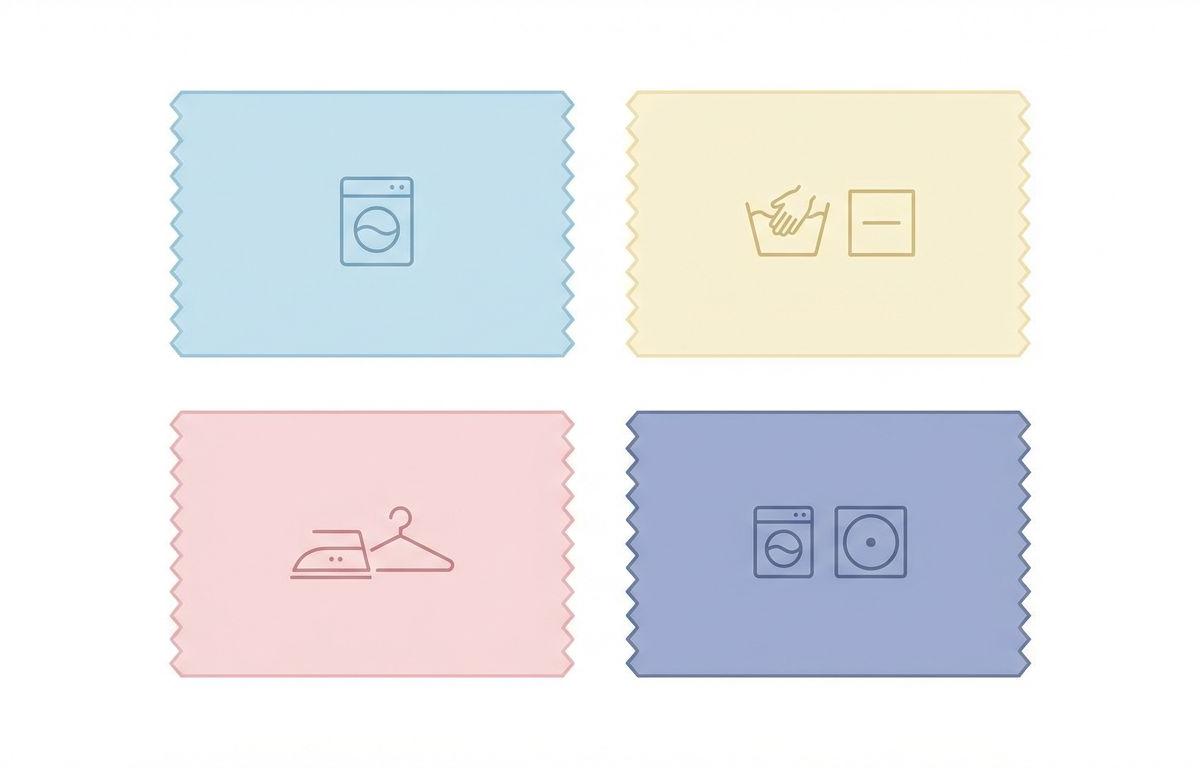
Before attempting to wash any garment, consult its care label. The washtub symbol indicates washing instructions: dots inside signify the maximum water temperature. A hand in the tub means hand-wash only; an X through the tub means Do Not Wash. The triangle symbol guides bleaching: empty permits any bleach, diagonal lines specify non-chlorine bleach only, a crossed-out triangle means Do Not Bleach. Drying instructions use a square symbol; a circle inside indicates tumble drying is allowed, with dots for heat levels. The iron symbol details ironing instructions with dots for temperature settings. A circle by itself usually signifies dry cleaning is recommended.
3. Detailed Care Instructions for 15+ Fabric Types
4. Temperature Guidelines by Fabric Type
Cold water is safest for delicates, bright colors, wool, and silk. Warm water suits most synthetics, blends, and moderately soiled cottons. Hot water is reserved for heavily soiled, sturdy white items or when sanitization is a priority. Always reference the care label for the correct temperature.
5. Detergent Recommendations
Use mild, neutral pH detergent for wool and silk. Enzyme detergents are excellent for protein-based stains on durable fabrics. Color-safe detergents minimize fading. Sports-specific detergents help with activewear. Hypoallergenic detergents are available for sensitive skin. Avoid chlorine bleach on wool, silk, spandex, and many synthetics; use oxygen bleach as a color-safe alternative.
6. Drying Methods and Fabric-Specific Considerations
Air drying is the gentlest method and saves energy. When tumble drying, use low heat for synthetics, delicates, and shrink-prone items; medium heat for permanent press items; high heat only for sturdy cottons and linens. Over-drying damages fibers and causes static. Always dry wool and most silk items flat, away from direct heat. Performance fabrics benefit from air drying or very low heat.
7. Storage and Maintenance Between Wears
Ensure garments are clean and completely dry before storing to prevent mildew. Store in a cool, dark, and dry place. Fold knit items to prevent stretching on hangers. Use padded or wooden hangers for delicates. Avoid overcrowding. Use natural moth repellents like lavender sachets or cedar blocks for wool and cashmere during off-season storage. Air out lightly worn clothes on a hanger to reduce laundry frequency.
8. Common Fabric Care Mistakes
Using chlorine bleach on wool, silk, or spandex causes irreversible damage. Washing wool or silk in hot water causes felting and shrinking. Over-drying weakens fibers. Ignoring care labels on dry-clean-only items leads to disappointment. Ironing synthetics on too high a setting can melt them or create a permanent sheen.
9. When to Hand Wash vs. Machine Wash vs. Dry Clean
Hand washing is for the most delicate items: lingerie, lace, some silks and cashmeres, heavily embellished garments, or anything labeled Hand Wash Only. Machine washing suits the majority of everyday garments with the correct water temperature, cycle, and detergent. For large items, LaundroMaps facilities offer a range of machine sizes. Dry cleaning is necessary for items labeled Dry Clean Only, including tailored suits, velvets, certain silks, leather, suede, and garments with complex construction.
10. Seasonal Fabric Care Adjustments
In winter, heavier fabrics like wool and cashmere require gentle cleaning and careful storage against moths. Thoroughly dry bulky items in damp winter weather. During summer, lighter cottons, linens, and swimwear need more frequent washing due to heat and perspiration. Pay special attention to sunscreen stains on swimwear. Properly clean and store heavier winter clothes during summer to keep them fresh for the next cold season.
Mastering fabric care is about respecting your garments and the resources that went into them. By understanding how to wash different fabrics and applying these principles, you’ll enjoy a wardrobe that looks better, lasts longer, and brings continued satisfaction. For times when you need robust machines for bedding, comforters, or simply a reliable Fresh, Local, Spotless place to do your weekly wash, LaundroMaps is ready to connect you with ideal facilities for all your fabric care needs.