Dryer Safety Guide: How to Protect Your Clothes and Prevent Damage

LaundroMaps Team
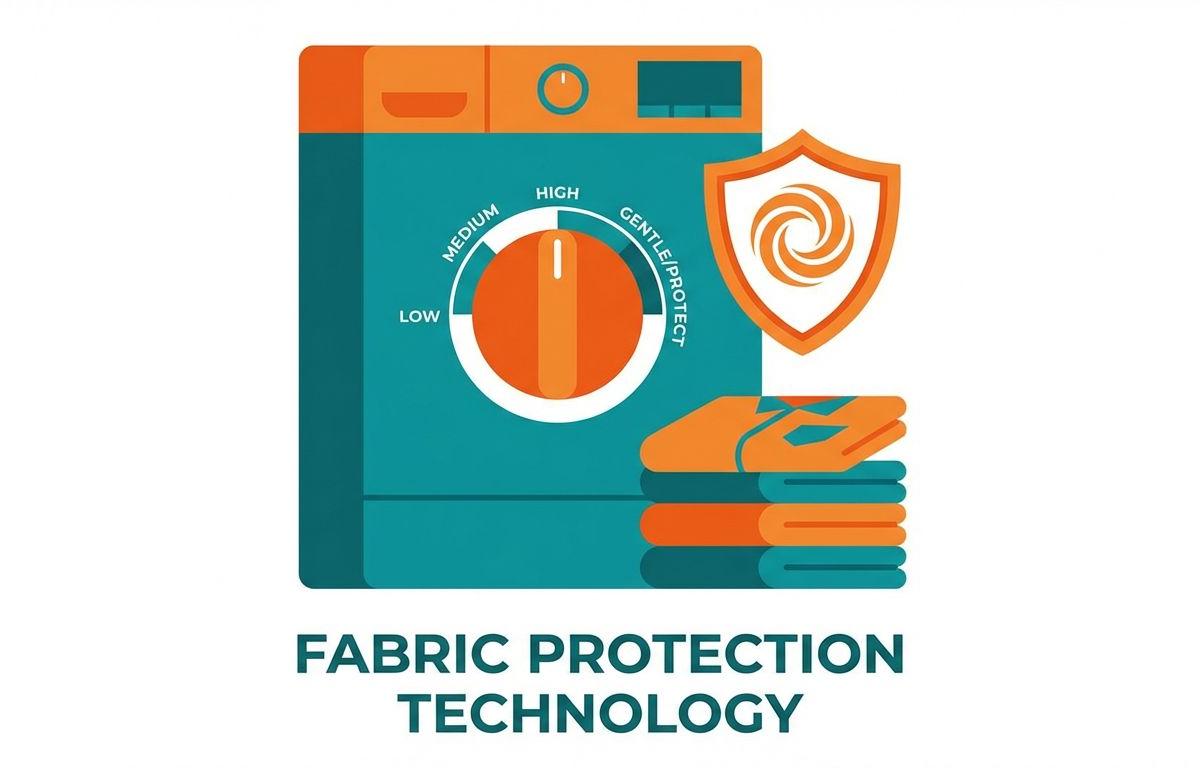
The clothes dryer: a modern marvel of convenience, transforming soggy piles of laundry into wearable wardrobes in a fraction of the time it would take to air dry. But with this power comes responsibility. The intense heat and tumbling action can be harsh on fabrics if not managed correctly, leading to shrunken sweaters, faded colors, weakened fibers, and even safety hazards. Understanding “dryer safety” and mastering “fabric protection” techniques are crucial for extending the life of your garments and preventing accidents. This guide from LaundroMaps will equip you with the knowledge to use laundromat dryers confidently, efficiently, and safely.
1. Introduction to Dryer Damage Prevention
Many common laundry problems, from “clothes shrinking” to premature wear, can be traced back to improper dryer use. Heat can relax and reshape fibers (causing shrinkage), break down dyes (causing fading), and make certain materials brittle. Over-drying exacerbates these issues and wastes energy. Furthermore, neglecting basic maintenance like cleaning the lint trap poses a significant fire risk.
2. Understanding Heat Settings and Fabric Compatibility
The dryer control panel offers several heat settings. Choosing the right one is the first step in “fabric protection.” The golden rule: ALWAYS check the garment’s care label before selecting any heat setting.
- High Heat: Best for heavy-duty items like sturdy cotton towels, denim jeans, and some bedding. Prolonged high heat can be damaging even to these items, so use it judiciously.
- Medium Heat: Often part of a “Permanent Press” cycle, suits many synthetic fabrics like polyester and nylon, as well as blends. It balances drying power and gentleness, minimizing wrinkles if clothes are removed promptly.
- Low Heat or Delicate: Essential for delicate synthetics, lingerie, spandex blends, and any fabric prone to heat damage or shrinkage. This setting prolongs drying time but significantly reduces the risk of damage.
- Air Fluff or No Heat: Tumbles clothes with unheated air — excellent for freshening stored items, fluffing pillows, or drying extremely heat-sensitive items.
3. Preventing Shrinkage: Keeping Clothes Fitting
Shrinkage occurs when heat, moisture, and mechanical action cause fabric fibers — especially natural ones like cotton, wool, linen, and rayon — to relax and contract. Wool is particularly susceptible to felting, where its scaled fibers interlock under heat and agitation, causing drastic and often irreversible shrinkage. To prevent shrinkage:
- Use low heat or air dry for fabrics known to shrink.
- Avoid over-drying — remove clothes when just dry or slightly damp.
- Look for “pre-shrunk” labels when purchasing new cotton or linen items.
- For extremely delicate items, air drying is always the safest bet. Lay sweaters flat to dry and hang other items on a rack.
4. Protecting Delicate Fabrics and Special Materials
Certain fabrics demand extra gentle treatment, if they should go in the dryer at all:
- Silk and Lace: Prime candidates for air drying. If machine drying is indicated, use a mesh laundry bag on “No Heat” or “Air Fluff” for the shortest possible time.
- Wool: Generally should not be tumble dried. Unless the label specifically states “tumble dry low,” reshape wool items while damp and lay them flat to dry.
- Spandex, Lycra, or Elastane: Particularly vulnerable to heat, which degrades elasticity and causes fibers to become brittle. Air drying is strongly recommended. If you must use a dryer, select the very lowest heat or “Air Fluff.”
- Items with Embellishments: Beads, sequins, or screen prints — turn inside out, place in a mesh bag, and dry on “No Heat” or “Low Heat” for minimal duration.
5. Lint Management and Fire Safety
This is the absolute, non-negotiable cornerstone of “dryer safety”: Clean the lint trap before or after every single load. Lint is highly flammable. Accumulated lint restricts airflow, making the dryer inefficient and causing it to overheat — a leading cause of clothes dryer fires. Cleaning the lint trap is simple: pull it out, peel the accumulated lint off the screen with your fingers, and replace it securely. For a deeper clean, occasionally wash the lint screen with warm soapy water to remove fabric softener residue, then dry thoroughly before reinserting.
6. Static Control Without Overdoing Chemicals
Static cling is common with synthetic fabrics like polyester and nylon when very dry. Commercial dryer sheets deposit a thin layer of fabric softener that reduces friction and static. However, residue builds up on clothes over time, reducing absorbency of towels and effectiveness of moisture-wicking activewear. Effective alternatives for static control: Wool dryer balls soften clothes, improve air circulation, and reduce static. Ensuring clothes are not over-dried also reduces static significantly — remove clothes when just slightly damp. Adding a clean, slightly damp cloth to the dryer for the last 10–15 minutes can also help reduce static buildup.
7. Timing and Monitoring for Optimal Results
Over-drying is one of the biggest culprits in “dryer damage.” Many modern dryers offer sensor dry cycles that detect moisture level and automatically shut off when clothes reach the selected dryness level. These are preferable to timed dry cycles, helping to prevent dryer damage from excessive heat and saving energy. If using a timed dry cycle, start with a shorter time than you think you need and check the clothes periodically. Set a timer on your phone to remind you to check your load — this ensures you’re back promptly, protects clothes from over-drying, and shows courtesy to other users waiting for a machine.
8. Energy-Efficient Drying Strategies
Several strategies reduce energy consumption and help dry clothes faster and more effectively:
- Use a high spin speed in the wash cycle to extract more water before drying, significantly reducing drying time.
- Clean the lint trap before every load to improve air circulation and efficiency.
- Don’t overload the dryer — clothes need room to tumble freely for efficient, even drying.
- Dry similar weight fabrics together, since lightweight items dry much faster than heavy towels or denim.
- Use the sensor dry setting when available to avoid over-drying and save energy.
- Dry consecutive loads back-to-back while the dryer drum is still warm.
- Air dry items when possible — even air-drying a portion of your laundry makes a noticeable difference.
9. Troubleshooting Common Dryer Issues
Encountering an issue at the laundromat? Here’s how to handle the most common dryer problems:
- Dryer won’t start: Check that the door is firmly closed and payment was processed correctly.
- No heat: Ensure you haven’t accidentally selected “Air Fluff.” If the setting is correct, notify the attendant.
- Clothes taking unusually long to dry: The drum may be overloaded, the lint trap may be clogged, or the heat setting may be too low for a heavy load.
- Clothes come out very wrinkled: You may be over-drying them or leaving them in the dryer too long after the cycle ends. Remove items promptly and try a permanent press cycle.
- Unusual noises: Stop the dryer and check for objects in pockets. Persistent noise likely requires staff attention.
10. Advanced Techniques for Different Fabric Types
When drying down-filled items like puffer jackets or comforters, tumble dry on very low heat with two or three clean tennis balls or wool dryer balls to break up clumps of down and restore loft. This process can take a long time and may require repositioning items periodically.
For superior wrinkle prevention, shake out garments individually before placing them in the dryer so they tumble more freely. Use a “Permanent Press” cycle with a cool-down period. For very wrinkle-prone items, removing them while still slightly damp and hanging immediately yields the smoothest results.
Use the dryer to refresh items that don’t need a full wash: a short 10–15 minute tumble on “Air Fluff” with a dryer sheet or drops of essential oil on a wool dryer ball removes light odors. For water-repellent outerwear, a brief period on medium heat can sometimes reactivate the durable water repellent (DWR) coating after washing — always check the care label first.
Mastering the art of clothes drying is a crucial skill for maintaining your wardrobe, ensuring dryer safety, and practicing fabric protection. By understanding your dryer’s settings, respecting your fabrics’ needs, and adopting these laundromat dryer tips, you can confidently achieve perfectly dried clothes that remain Fresh • Local • Spotless and last for years to come.
Find a LaundroMaps Laundromat Near You
Related guides
- Oil-stained laundry and the dryer: why cooking-oil residue can heat up on its own.
- How to get ink out of clothes: saving the load and cleaning ink off a dryer drum.
- Gum in clothes and in the dryer drum: how to remove it safely.
- Electric blankets: why the wiring needs low heat or no dryer at all.
- Fabric softener vs. dryer sheets vs. dryer balls: what each does, and when to skip it.
- How to clean a dryer vent: step by step, inside and out, plus the signs of a clog.
- Dryer settings explained: perm press vs. normal vs. delicate heat.
- How to get gasoline smell out of clothes safely: never dry fuel-soaked clothes.